The Degustation Arc and Seasonal Division
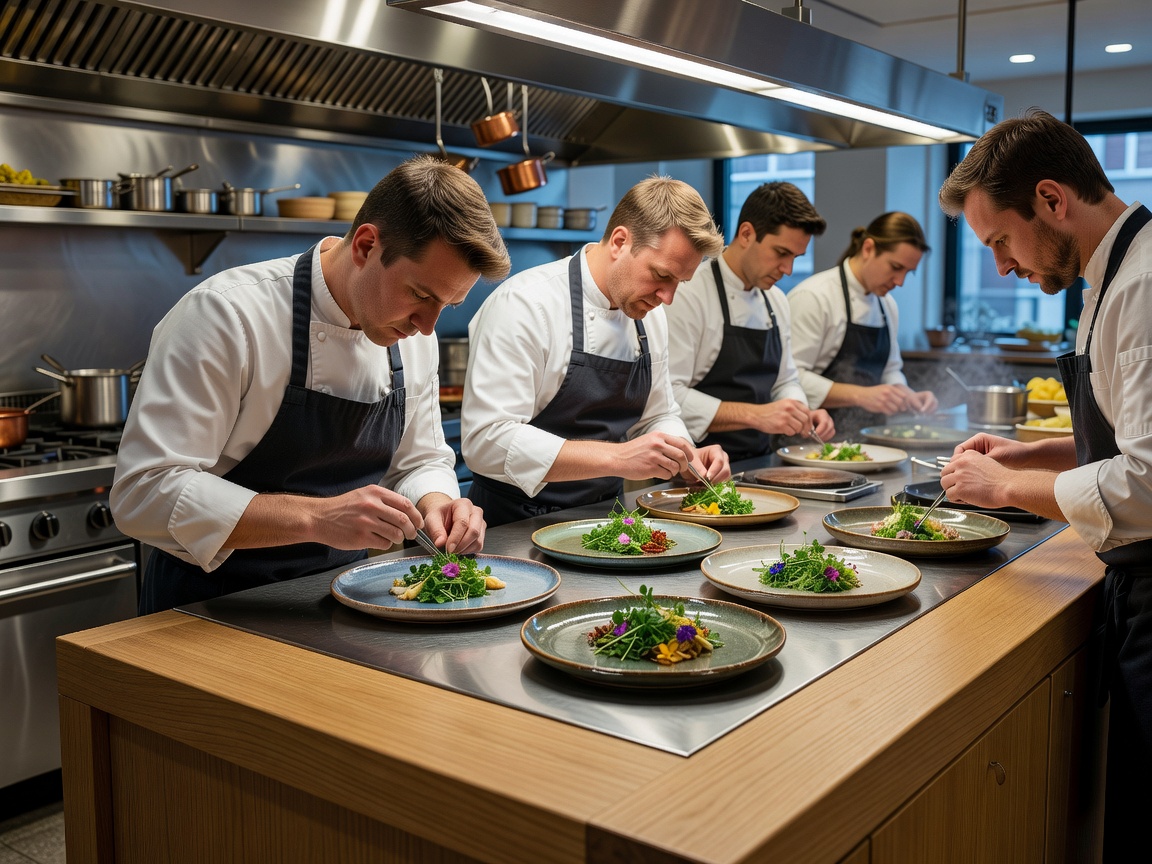
Modern Nordic fine dining moved decisively away from classic French kitchen hierarchies and heavy butter-flour foundations. In their place emerged a seasonal tasting structure synchronized strictly with northern climate realities. In Copenhagen, institutions like Noma divided their culinary calendar into three distinct seasonal menus: Seafood Season during sub-arctic winter ocean migrations, Vegetable Season during peak summer agrarian harvests, and Game & Forest Season during late autumn foliage decay. This structural rhythm compelled kitchen brigades to master deep fermentation techniques, ensuring summer gluts could yield savory liquid amino acids and garums to sustain flavor complexity when winter temperatures froze field agriculture.
In Stockholm, establishments such as Restaurant Frantzén, directed by chef Björn Frantzén, merged Nordic agricultural discipline with Japanese culinary aesthetics, relying on binchotan charcoal grills, delicate chawanmushi textures, and live seafood tanks holding langoustines from the icy waters of the Faroes and Norway's western fjords. In Oslo, chef Esben Holmboe Bang shaped Restaurant Maaemo around hyper-localized Norwegian coastal and mountain botanicals, serving cold emulsion of raw Norwegian oysters with warm sauce of mussel and dill, and porridges cooked with sour cream and shaved dried reindeer heart.
Fermentation Labs as Culinary Engines
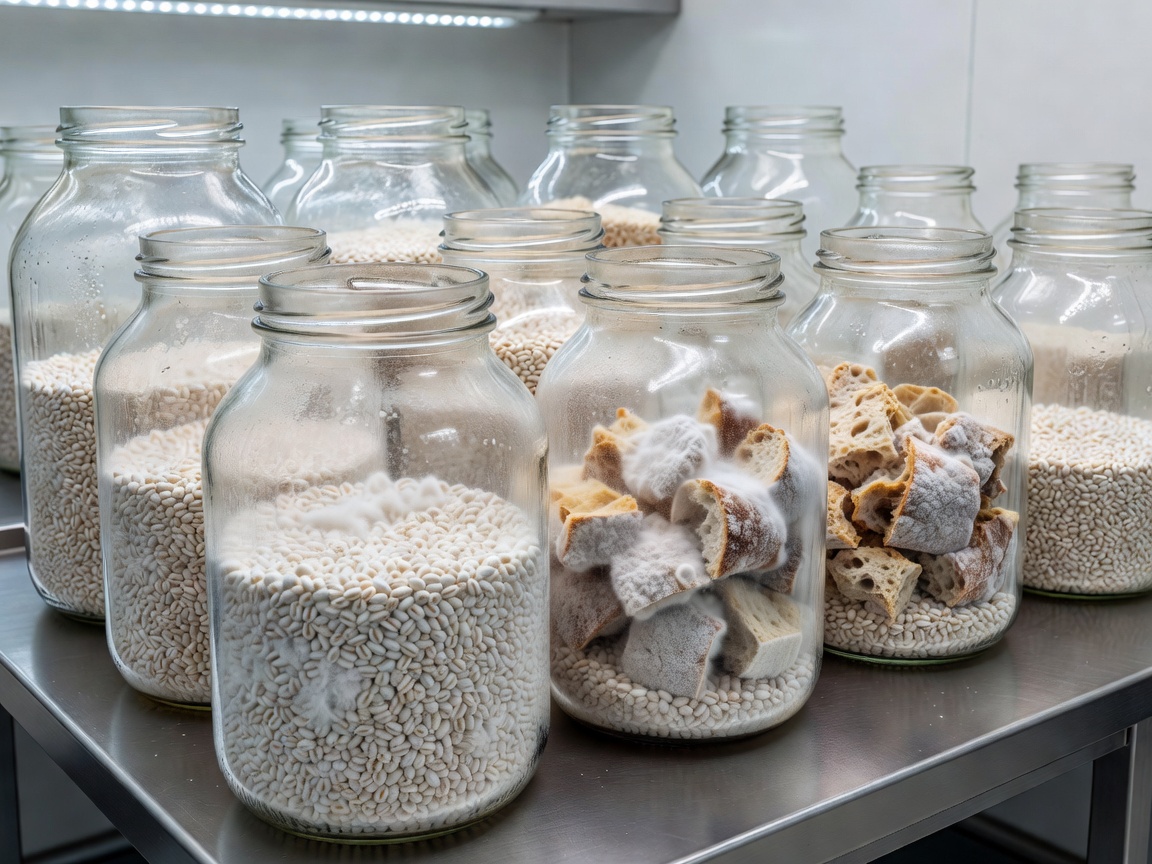
The modern Nordic restaurant operates as much as a microbiological laboratory as a cooking line. The development of dedicated fermentation facilities—first popularized on an international scale by the Noma Fermentation Lab under the leadership of René Redzepi and David Zilber—altered professional kitchen workflows globally. Rather than importing soy sauces, citrus fruits, and vinegars from equatorial climates, northern chefs cultivated Aspergillus oryzae (koji mould) on native pearled barley and rye berries.
By blending barley koji with roasted yellow peas, rye bread trimmings, or spent brewer's grain, kitchens brew complex amino sauces (shoyu analogues) that provide foundational umami. Lactic acid fermentation of green gooseberries, plums, and wild ramps (Allium ursinum) yields pristine acid profiles that completely replace lemon juice in savory sauces, game glazes, and seafood vinaigrettes.
Open Hearth Cooking and Raw Material Transparency
Simultaneously, restaurants like Ekstedt in Stockholm, established by chef Niklas Ekstedt, dispensed entirely with modern induction stoves, electric combi-ovens, and gas burners. Instead, service runs entirely on burning birch logs, applewood coals, cast-iron hearths, and a chimney smoker. Fat from cured meats is melted over flames using a red-hot iron funnel (flambadou), searing pristine raw oysters and scallops in droplets of molten beef tallow.
This return to elemental fire is not historical reenactment; it represents a philosophical statement regarding raw material integrity. In the modern Nordic format, protein is rarely obscured under heavy reductions. An Arctic scallop or fjord langoustine is presented barely warm, kissed by birchwood smoke for seconds, dressed with an emulsion of cold-pressed rapeseed oil, elderflower vinegar, and preserved sea kelp. The open kitchen design brings diners into unmediated contact with the butcher's block and the live fire pit, tearing down conventional dining room theatrical separation.
Beyond Fine Dining: The Rise of Neo-Bistros and Sourdough Bakeries
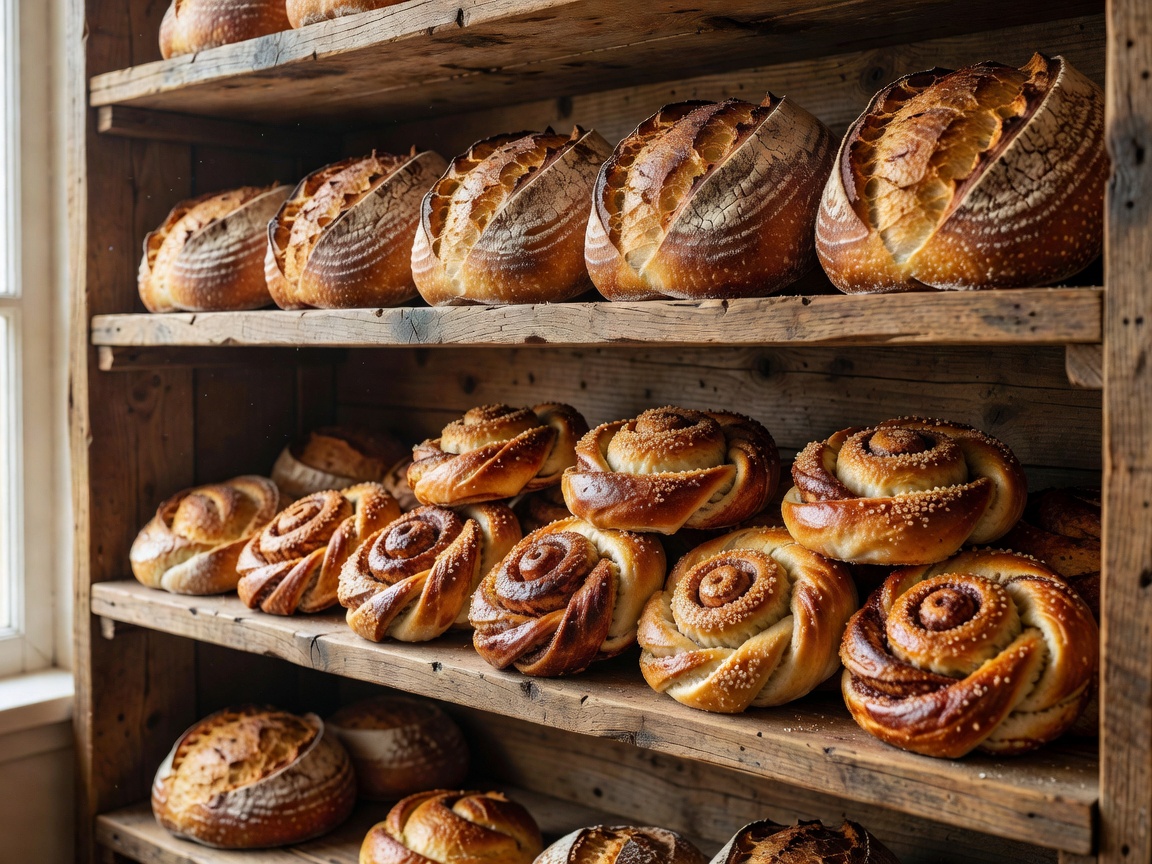
The technical innovations pioneered in three-star tasting rooms have permeated everyday Nordic urban dining. In Copenhagen's Nørrebro and Vesterbro districts, alumni of leading fine-dining kitchens established casual neo-bistros, wine bars, and craft bakeries like Mirabelle, Juno the Bakery, and Hart Bageri. These neighborhood bakeries employ heritage grains (such as Øland wheat and rye), extended 36-hour cold fermentations, and high-hydration doughs, elevating the morning cardamom bun (kardemummabulle) and sourdough loaf to mastercraft status.
Similarly, casual eateries in Helsinki and Gothenburg serve seasonal micro-plates where foraged mushrooms, smoked vendace (Coregonus albula), and cultured butter receive the same intellectual rigor as 20-course tasting menus. To grasp the broader social rituals surrounding everyday Nordic dining, explore our dispatch on Nordic Food Culture.
Structural Paradigms of Contemporary Nordic Dining Rooms
| Dining Format | Core Equipment / Methodology | Signature Flavor Profile | Representative Nordic Hubs |
|---|---|---|---|
| Hyper-Seasonal Degustation | Fermentation labs, vacuum centrifuges, tweezers | Lacto-fermented acids, koji aminos, pine oils | Copenhagen, Stockholm, Oslo |
| Live Fire & Hearth Dining | Birch log woodfires, cast-iron planchas, flambadou | Charred bark, rendered tallow, direct wood smoke | Stockholm, Gothenburg |
| Coastal Foraging Counter | Seafood holding tanks, sea-water poaching | Brine, sea truffle, cold kelp broths, iodine | Stavanger, Trondheim, Tórshavn |
| Neo-Nordic Bakery & Bistro | Stone deck hearth ovens, long cold-retardation | Cultured lactic butter, whole grain ash, cardamom | Helsinki, Malmö, Copenhagen |
Understand the Deep Traditions Behind Modern Fire & Brine
Contemporary restaurant fermentation and hearth techniques are evolutionary steps from centuries of survival-based smoking and curing.
Read Culinary Traditions Analysis