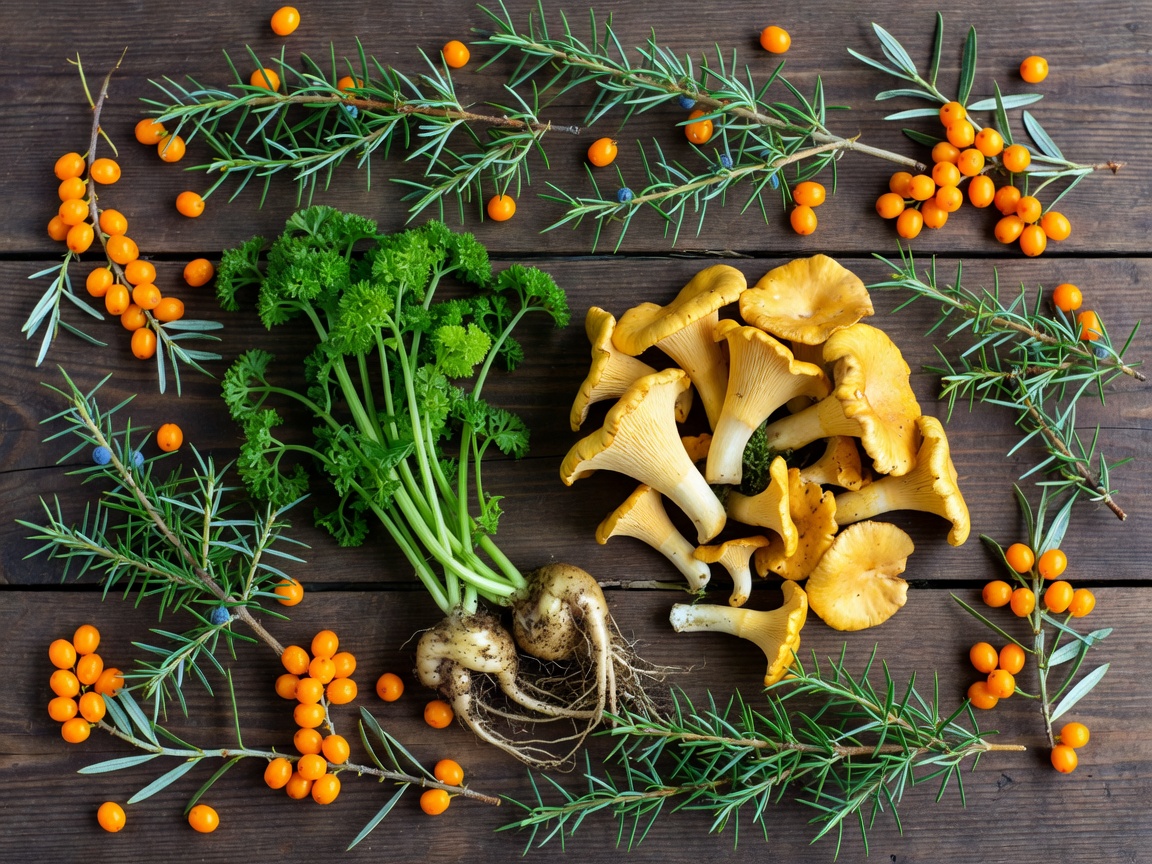
Photoperiod Concentration: The Midnight Sun Effect
Plant physiology in the high latitudes behaves distinctively compared to temperate growing regions. During the sub-arctic summer in northern Scandinavia and Finland, agricultural crops experience up to 20 to 24 hours of daily daylight. This extended photoperiod, paired with cool night air, drives intense photosynthesis while slowing vegetative respiration. Plants concentrate sucrose, natural fructose, and defense polyphenols rather than simply producing excessive cellulose bulk.
The Finnish Puikula potato and northern Swedish mandelpotatis (almond potato) exhibit a dry matter content, fine waxy texture, and concentrated earthiness unmatched by southern cultivars. Similarly, strawberries grown in Trøndelag, Norway, or southwest Finland develop remarkable aromatic sweetness and high citric-malic balance because their ripening takes place over extended cool daylight hours rather than sudden heat spikes.
Wild Boreal Berries: Natural Preservation Agents
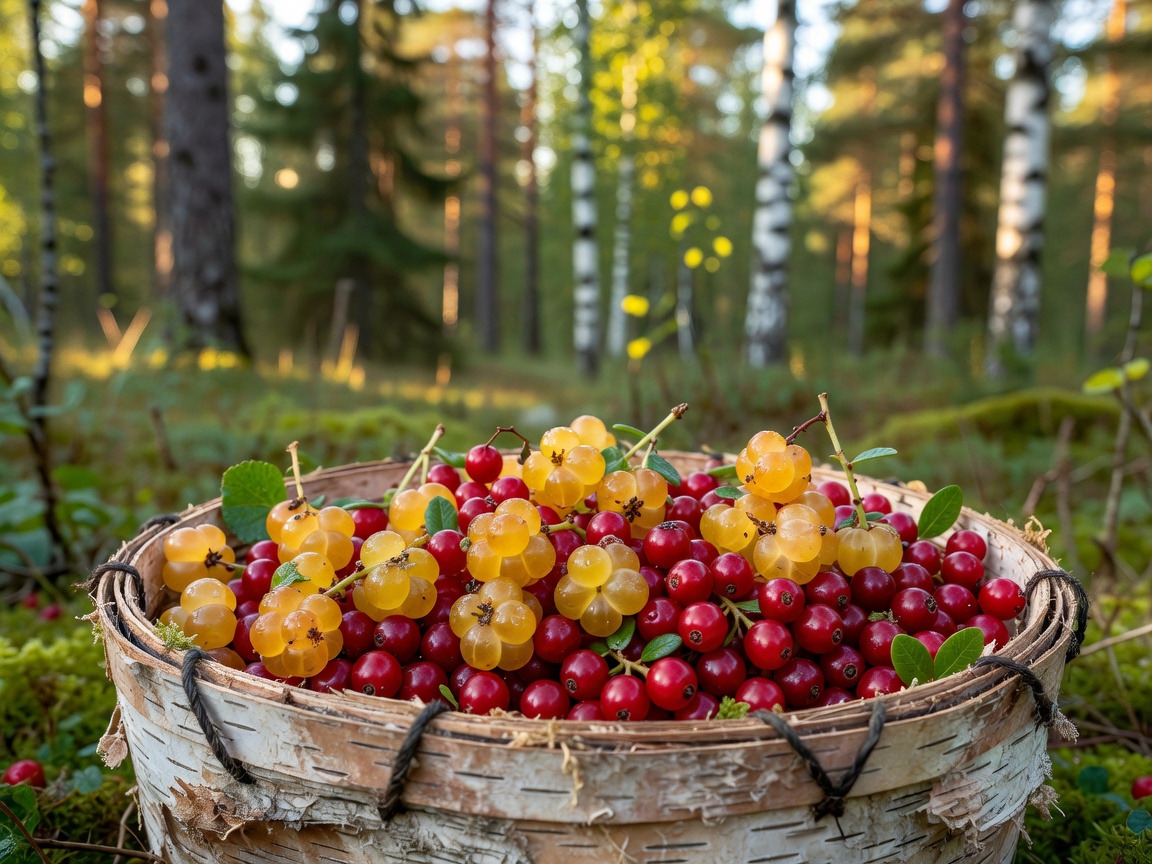
The boreal understory produces an array of wild berries packed with organic acids and high pectin levels. The cloudberry (Rubus chamaemorus), native to sphagnum peat bogs across Lapland and central Norway, contains high levels of benzoic acid, a natural preservative that allows the fruit to be preserved with minimal added sugar. Its complex apricot-like perfume and amber hue make it a revered botanical.
Lingonberries (Vaccinium vitis-idaea) similarly carry high benzoic acid and astringent tannins. In Swedish and Finnish homes, raw lingonberries were historically crushed directly with sugar (rårörda lingon) without heat treatment; the inherent chemical makeup prevented fungal decay for months. Along windy shorelines, thorny Sea Buckthorn (Hippophae rhamnoides) shrubs produce bright orange berries with extreme malic acid levels and rare omega-7 plant lipids, yielding juices that act as natural vinegar substitutes in contemporary restaurants.
The Marine Wealth: Cold Water Shellfish and Sea Vegetables
Cold waters hold higher concentrations of dissolved oxygen than warm southern seas. In the Norwegian fjords, the Skagerrak strait, and the Faroe shelf, marine creatures grow at slow metabolic rates, accumulating sweet amino acids like glycine and alanine to defend their cell membranes against saline freezing. The Norwegian langoustine (Nephrops norvegicus) and cold-water deep-sea shrimp (Pandalus borealis) yield flesh of exceptional firmness, sweetness, and clean oceanic salinity.
Diver-harvested scallops from Hitra and the wild flat oysters of Limfjorden (Ostrea edulis)—the native European flat oyster—possess thick mineral textures and deep zinc-rich finishes. Sea vegetables are equally significant: winged kelp (Alaria esculenta), dulse (Palmaria palmata), and sugar kelp (Saccharina latissima) harvested along the rocky shores of Iceland and western Norway provide natural glutamic acid. When dried, these seaweeds form the foundational broth base for modern Nordic broths, mirroring Japanese dashi while remaining strictly anchored in cold North Atlantic ecology.
Heritage Grains and Forest Fungi
Grain agronomists across Scandinavia have revitalized landrace cereals that flourished prior to nineteenth-century monoculture. Øland wheat, Svedjerug (slash-and-burn rye), and Dala landrace barley possess deep root networks capable of drawing micronutrients from rocky glacial moraines. Svedjerug, preserved by Finnish forest immigrants in Värmland, produces small, dark kernels with an intensely nutty, roasted cocoa aroma when stone-milled.
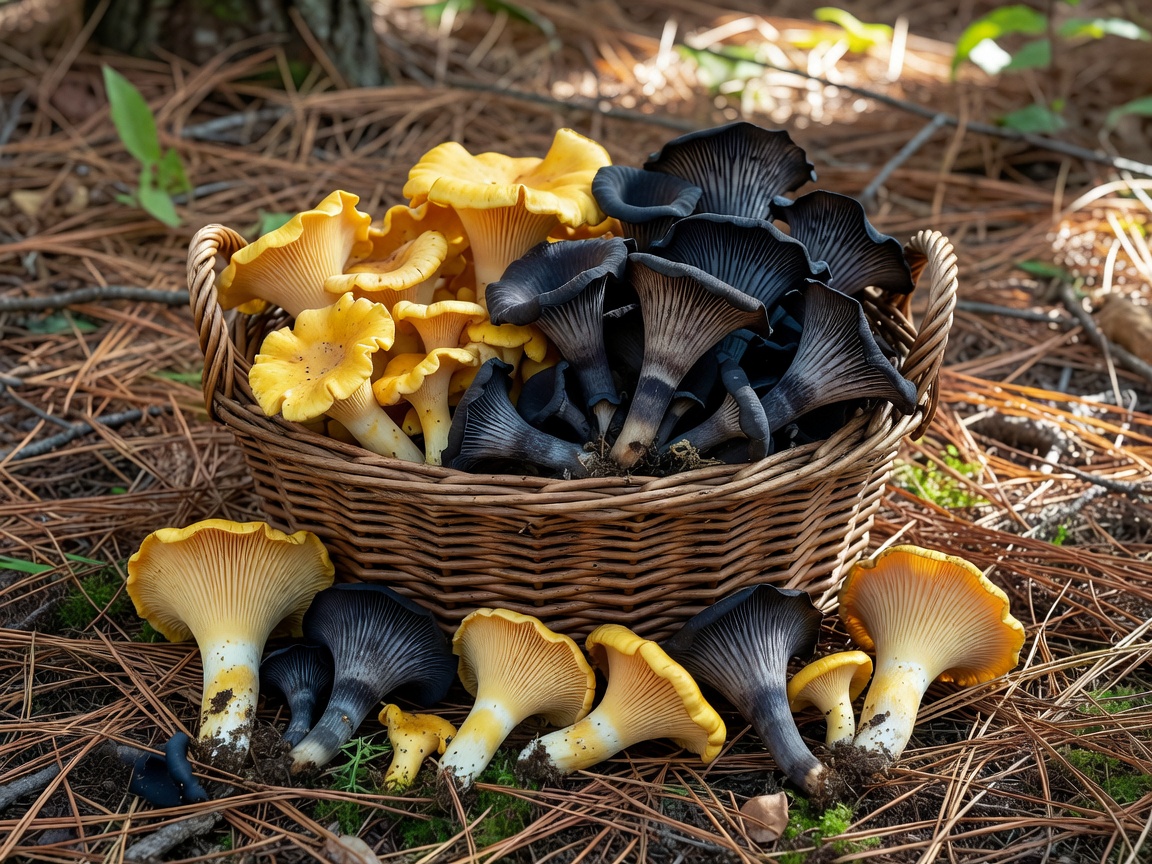
In autumn, mycelial networks throughout pine and birch forests flush with sought-after fungi: Chanterelles (Cantharellus cibarius), Trumpet of the Dead (Craterellus cornucopioides), and Porcini (Boletus edulis). Dried over warm masonry stoves, these mushrooms concentrate ribonucleotides, serving as the seasonal flavor backbone for game stews and broths throughout the sub-zero winter.
Nordic Cold-Climate Botanical Catalogue
| Ingredient Category | Scientific / Regional Identity | Primary Geographic Habitat | Chemical / Flavor Characteristic | Culinary Application |
|---|---|---|---|---|
| Wild Berry | Hippophae rhamnoides (Sea Buckthorn) | Baltic & North Sea coastal dunes | High malic acid, natural plant lipids | Fish emulsions, game glazes, fruit curds |
| Heritage Grain | Svedjerug (Forest Slash-and-Burn Rye) | Central Sweden & Eastern Finland | High pentosans, roasted malt aroma | Dark sourdoughs, knäckebröd, koji fermentation |
| Shellfish | Ostrea edulis (Limfjord Flat Oyster) | Northern Jutland, Denmark | Firm muscular bite, metallic zinc finish | Raw presentation, lovage oil poaching |
| Sea Vegetable | Palmaria palmata (Dulse / Søl) | Intertidal rocky coasts of Norway & Iceland | Natural potassium, glutamates, smoky notes | Dried seasoning flakes, savory infusion stocks |
| Wild Herb | Angelica archangelica (Garden Angelica) | Sub-arctic riverbanks, Lapland | Pungent pinene, musk, bitter sweetness | Infused spirits, braised game court-bouillon |
Learn How Cultural Rituals Developed Around Seasonal Gluts
From the midsummer herring tables to autumn mushroom gatherings and winter holiday feasts, trace how these ingredients dictate social custom.
Explore Nordic Food Culture