Editorial Dispatches

Nordic cuisine, modern restaurants, local ingredients and food culture

A critical culinary record investigating how geographical austerity, cold-climate agriculture, and rigorous preservation traditions shape contemporary gastronomy across Denmark, Norway, Sweden, Finland, and Iceland.

Examine Preservation Methods
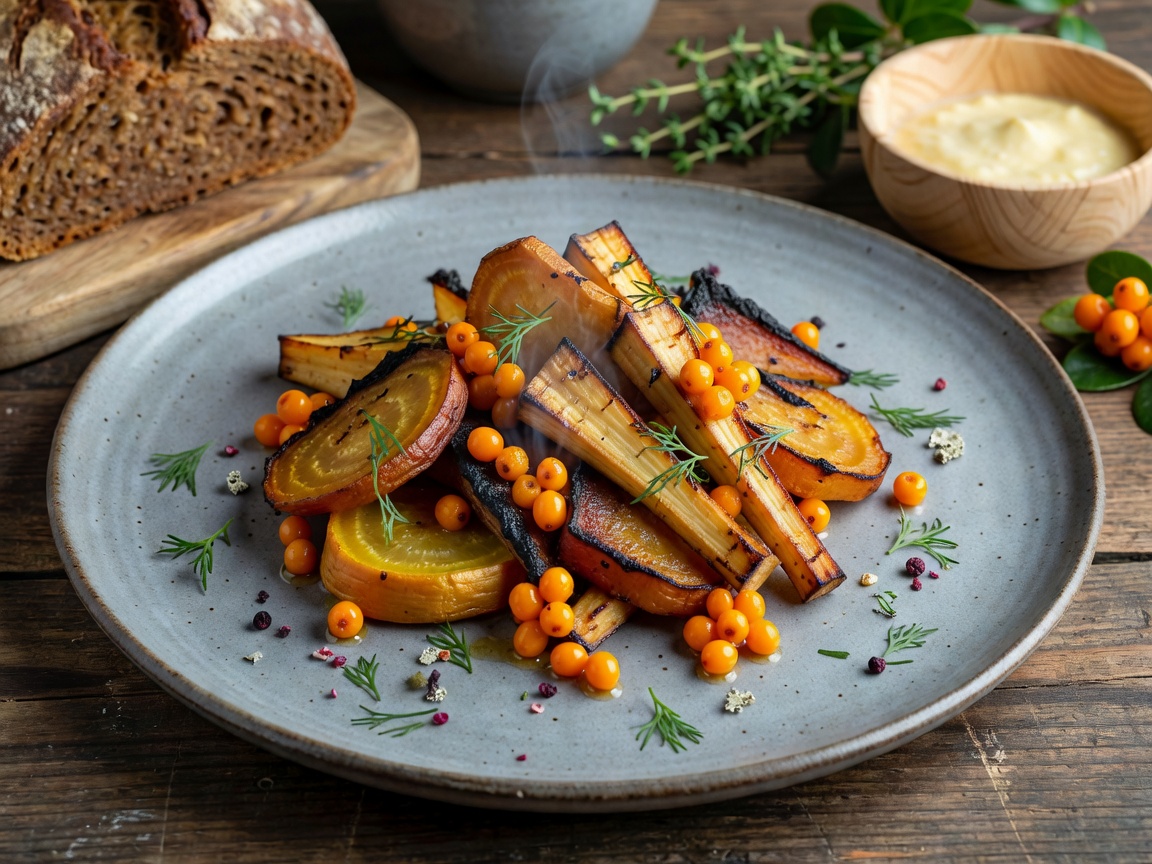
Plated seasonal Nordic dish featuring sea buckthorn and smoked root vegetables
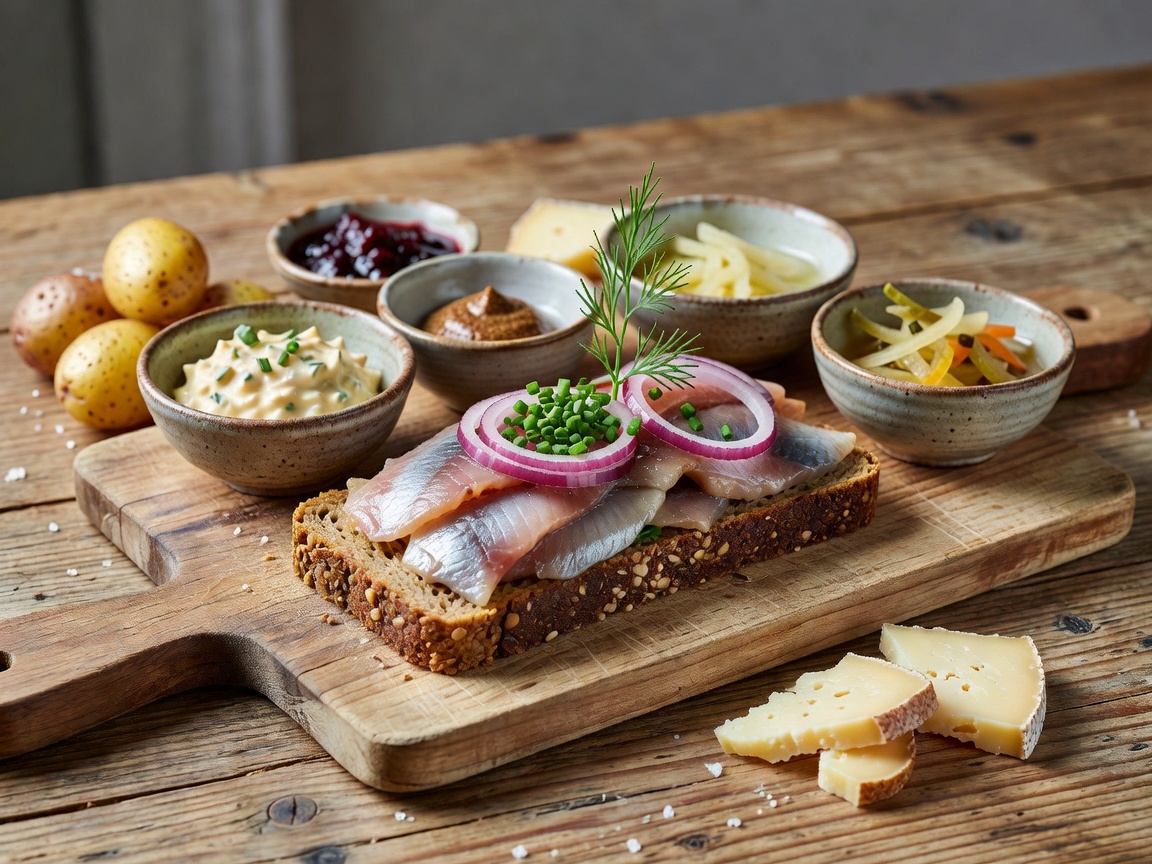
Traditional Danish rugbrod open sandwich arrangement with pickled herring

Cuisine Foundations

Nordic Culinary Systems

From Danish coastal fisheries to Finnish Karelian rye pastries, explore how five sovereign territories built distinct regional diets around stark seasonal cycles and cold-hardy staples.

Explore regional cuisines
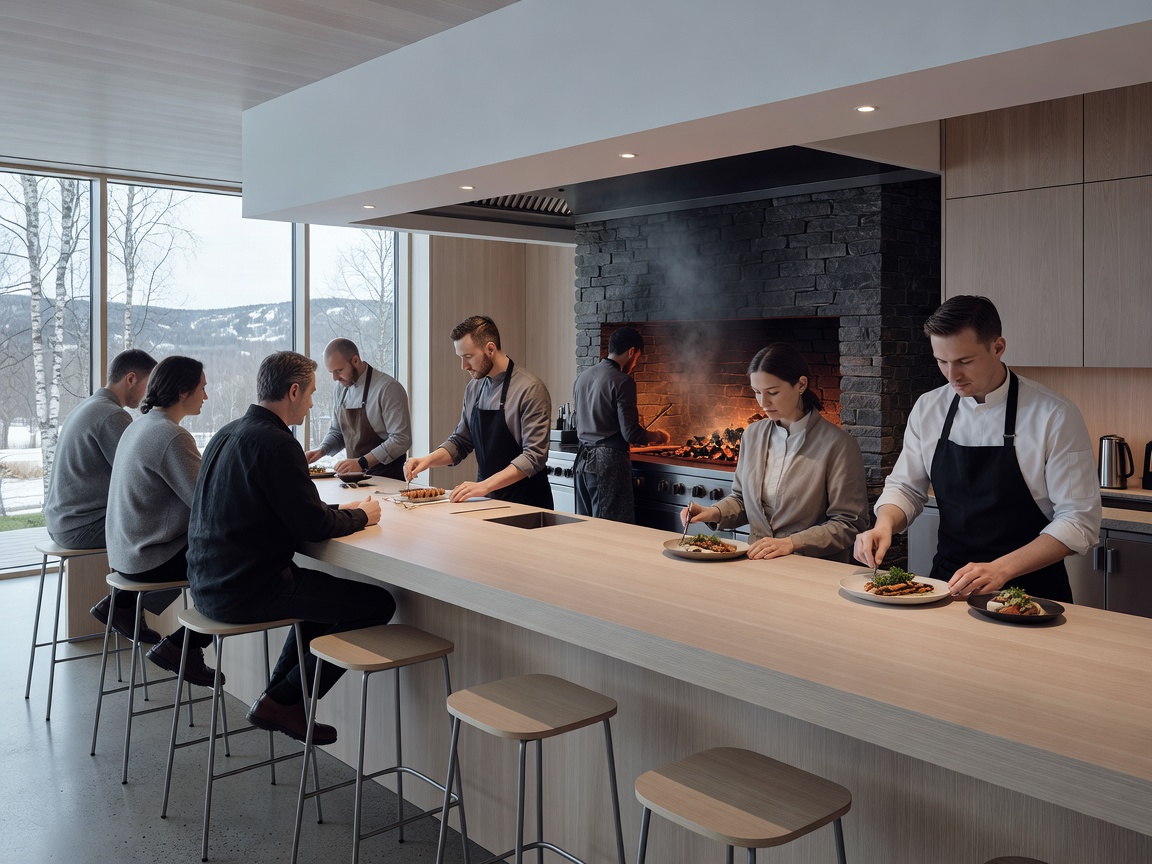
Contemporary Nordic chef-counter dining with open kitchen charcoal hearth

Gastronomy

Modern Nordic Restaurants

An inside analysis of tasting-menu architecture, open hearth fire craft, and koji-driven fermentation programs developed in Copenhagen, Stockholm, and Oslo.

Examine modern restaurants
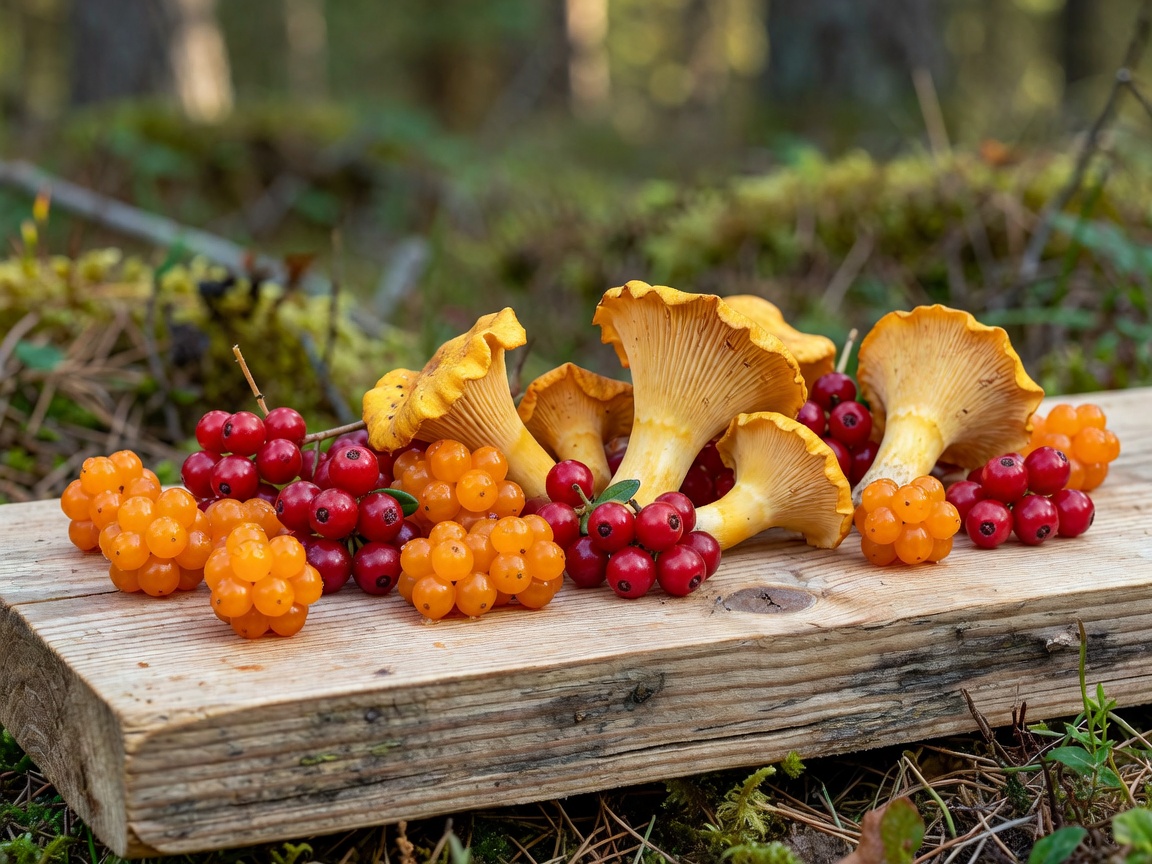
Foraged Scandinavian cloudberries, lingonberries and chanterelle mushrooms on wooden slab

Terroir

Local Cold-Climate Ingredients

A rigorous review of northern botanicals, Arctic char, sea kelps, heritage grains, and sub-arctic berries harvested across boreal forests and cold fjords.

Inspect indigenous ingredients
Scandinavian afternoon fika setting with cardamom buns and pour-over coffee

Living Traditions

Nordic Food Culture & Rituals

Deconstruct everyday eating practices, Copenhagen smørrebrød luncheons, the Swedish fika institution, and communal Midsummer feasts.

Explore cultural rituals
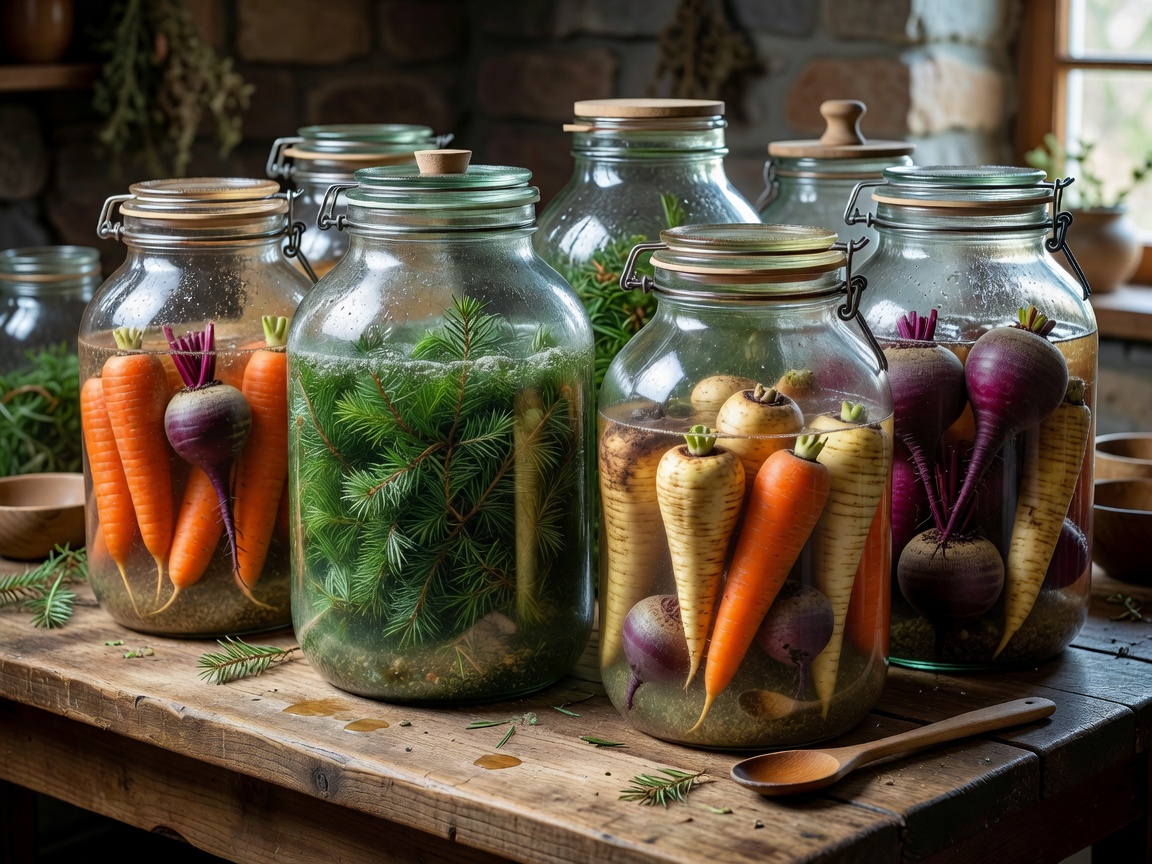
Traditional pickling and lacto-fermentation glass crocks containing spruce shoots and root vegetables

Technique

Preservation & Fire Craft

Discover the chemistry of cold-smoking, brine curing, air-drying gravlax, and birchwood open flame cooking that predate modern refrigeration.

Study historic preservation

The Northern Terroir: Method Above Luxury

The culinary grammar of the Nordic region was never forged through agricultural indulgence. It developed from the absolute necessity of surviving five to seven months of dormant vegetation, frozen soil, and restricted maritime passage. In western Norway, coastal communities cured pelagic fatty fish in sea salt and dry Atlantic winds. In inland Sweden and Finland, rye grain was harvested once during brief summers, baked into perforated hard crisps (knäckebröd), and hung from kitchen ceiling rafters to dry through the winter.

When the New Nordic Kitchen Manifesto was ratified in Copenhagen in 2004, spearheaded by chefs René Redzepi, Claus Meyer, and Nordic Council colleagues, it did not invent a cuisine from zero. Instead, it articulated an intellectual framework for rediscovering native flora, micro-seasons, and ancient preservation methods that had fallen out of public focus during decades of standardized post-war supermarket distribution.

"To express the purity, freshness, simplicity and ethics we wish to associate with our region through food."

Article 1, The New Nordic Kitchen Manifesto (Copenhagen, 2004)