The Imperative of Seasonal Storage
In temperate agricultural zones, crop rotations and double harvests provide relatively steady access to fresh produce throughout the calendar year. In the Nordic zone, human habitation was historically unviable without an infallible system for storing summer and autumn nutrition through five to seven months of snow cover and sub-zero temperatures. Because sea salt was historically expensive—frequently imported from Southern Europe due to low evaporation rates in cold northern sun—rural communities developed preservation systems that combined minimal salt with smoke, cold winds, anaerobic burying, and natural lactic acidification.
Preservation in the North was never merely about preventing decay; it actively transformed the chemical nature of proteins and lipids, releasing glutamates, tenderizing muscle tissue, and creating complex savory esters that define the traditional palate from Bornholm to the Arctic Circle.
Gravlax: From Earth Pit to Salt-Sugar Osmosis
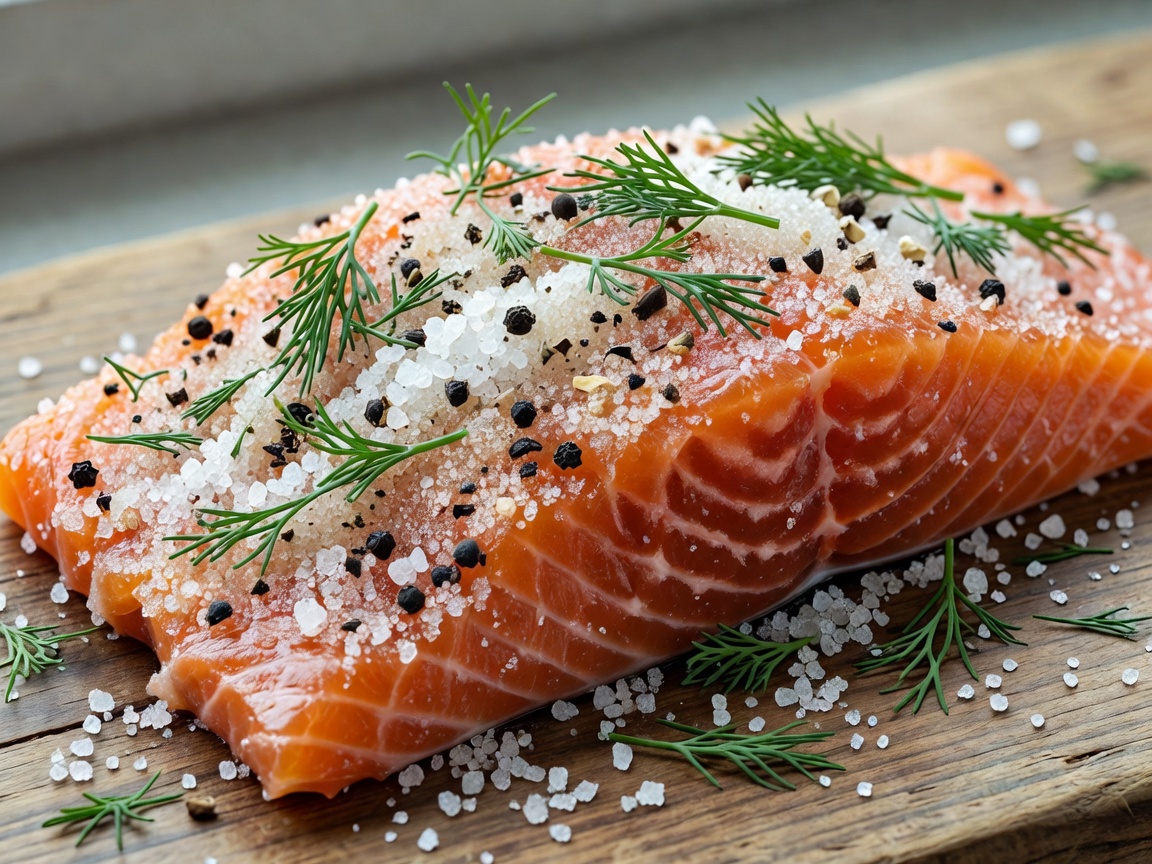
The contemporary dish known worldwide as gravlax (gravad laks in Danish, gravlaks in Norwegian) originated as an anaerobic burying technique. The root word 'grav' translates directly to 'grave' or 'trench'. Medieval fishermen along northern Swedish and Norwegian rivers dug pits in the earth or sand above high-tide lines, packed fresh salmon with small amounts of salt and pine needles, covered the pit with stones, and allowed natural psychrotrophic lactic acid bacteria to lightly ferment the fish.
As salt trade expanded in the seventeenth and eighteenth centuries, the process evolved from subterranean fermentation into dry curing. The standard technique uses a ratio of coarse salt to sugar (often 2:1 or 1:1) combined with crushed white peppercorns and fresh dill. Over 48 hours under refrigeration with a press weight, osmosis draws out intracellular water, concentrating the salmon's natural oils into a dense, velvety texture that can be thinly shaved with knife precision.
Smoke Engineering: Juniper, Alder, and Birch
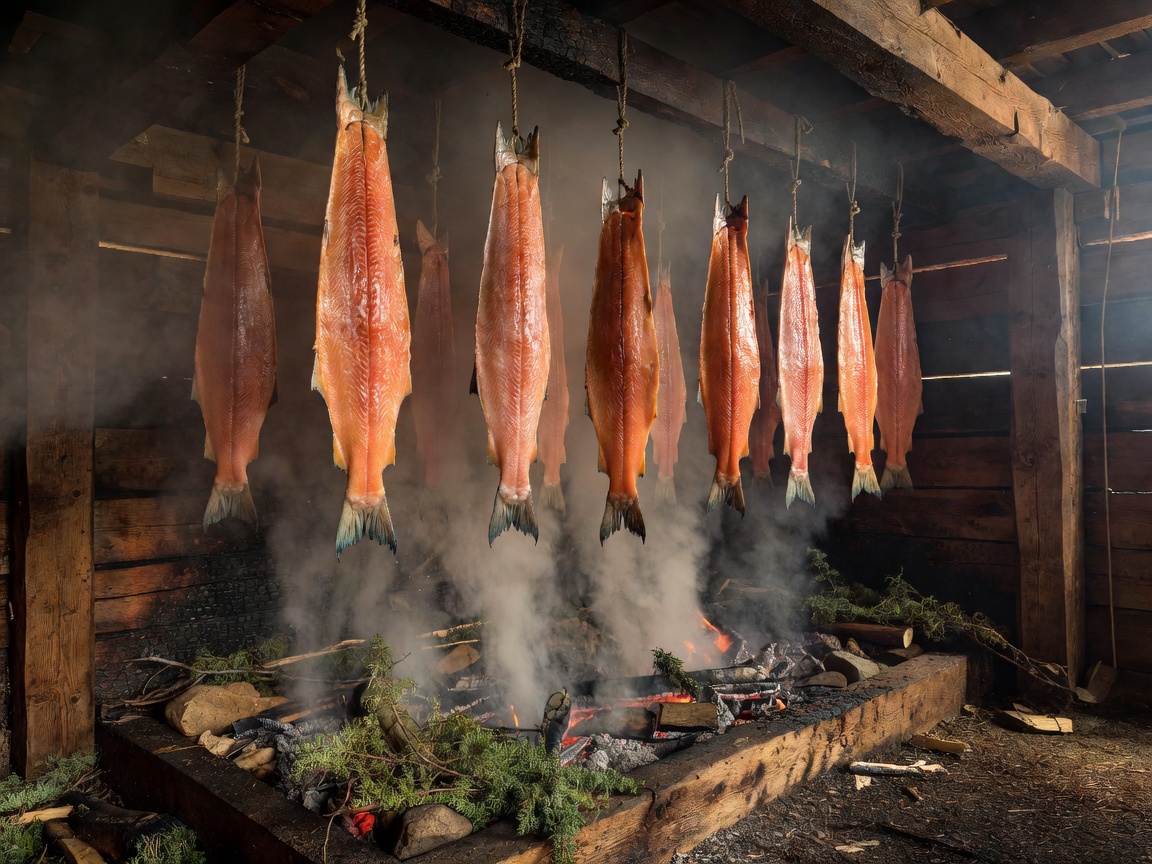
Smoking in the Nordic region is split into two thermodynamic regimes: cold smoking (kaldrøyking), conducted below 28°C to cure raw fish and sausages over multiple days without cooking muscle proteins, and hot smoking (varmrøyking), where temperatures between 70°C and 85°C cook and smoke simultaneously. The botanical choice of wood is paramount. On the Danish island of Bornholm, famous for its conical white smokehouses (røgerier), smoked herring (Bornholmer sild) is bathed in smoke from smoldering alder wood (Alnus glutinosa), giving the skin a bright golden sheen and delicate sweetness.
In western Norway and Finland, juniper branches (Juniperus communis) containing green needles and dry berries are laid over hardwood embers. The burning needles release volatile pinene and terpene oils, imbuing smoked mutton (fenalår) and Finnish smoke-sauna hams with unmistakable balsamic, pine-scented aromatics. In Finnish smoke saunas (savusauna), meat is hung in the ceiling rafters while the stones cool down over 12 to 24 hours, receiving gentle residual smoke that prevents surface bacterial colonization.
Lactic Fermentation and Vinegar Brining
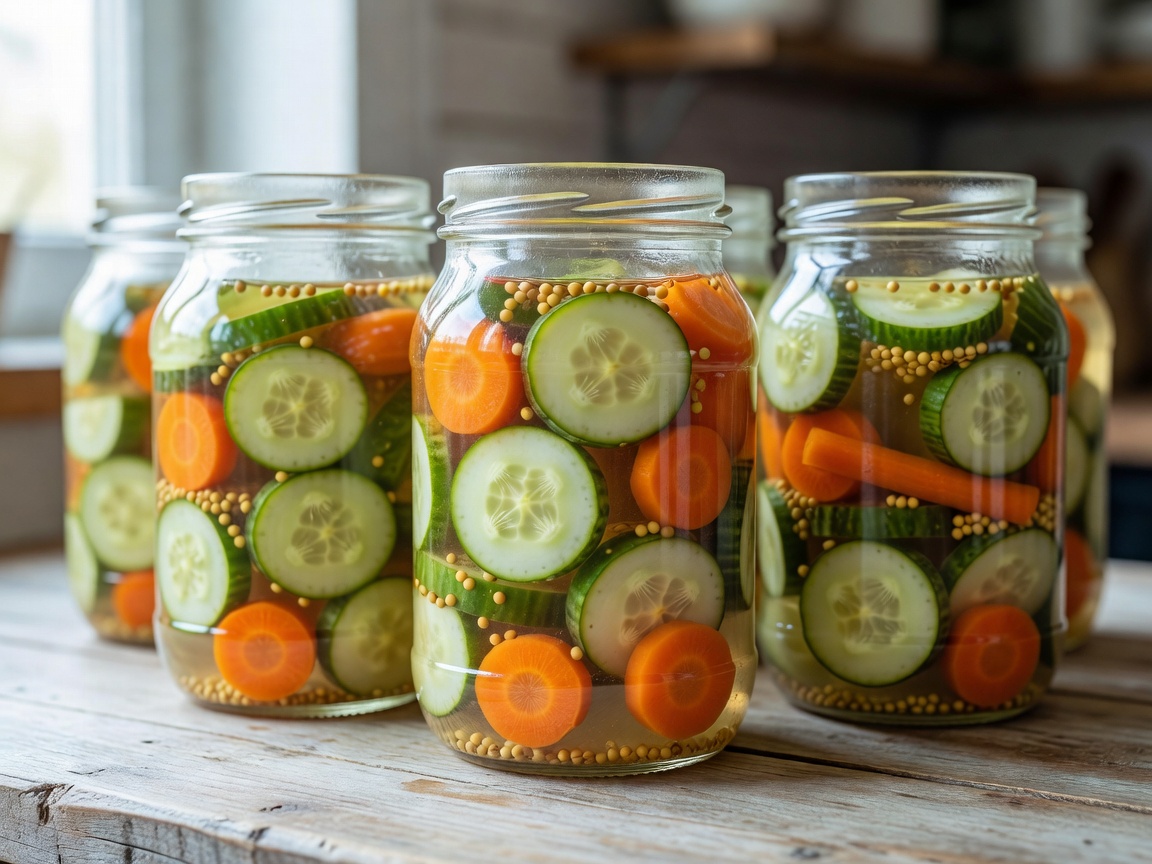
Vegetable preservation in northern climates centered on brassicas and root vegetables. Cabbage was shredded and packed with 2% sea salt by weight, encouraging wild Lactobacillus plantarum strains to metabolize plant sugars into lactic acid, yielding winter sauerkraut (surkål). In Denmark and Sweden, root vegetables and cucumbers were preserved via 1-2-3 vinegar pickle (ättikslag): one part 12% clear spirit vinegar (ättika), two parts sugar, and three parts water, spiced with yellow mustard seeds, allspice, and dill umbrellas.
This 1-2-3 formulation creates a crisp, acidic vegetable pickle that cuts through the dense fats of roast pork and fatty herrings. In contemporary cooking, fine dining kitchens utilize these time-tested ratios on unripe berries, green elderflower buds, and spruce tips harvested in late spring. Review how modern restaurant labs deploy these mechanisms in Modern Nordic Restaurants.
Comparative Overview of Nordic Preservation Techniques
| Methodology | Preservative Mechanism | Primary Target Foodstuffs | Optimal Temperature Range | Typical Aging / Curing Period |
|---|---|---|---|---|
| Air Desiccation (Tørrfisk) | Wind drying; moisture reduced below 15% | Atlantic Cod (Skrei) | -1°C to +8°C (coastal air) | 3 to 5 months on outdoor racks |
| Cold Smoking (Kaldrøyking) | Phenols and aldehydes; partial desiccation | Salmon, trout, mutton legs | 16°C to 26°C | 24 to 72 hours continuously |
| Dry Sugar-Salt Cure (Gravad) | Osmotic water reduction; firming enzymes | Salmon, Arctic char, reindeer fillet | 2°C to 5°C (refrigerated press) | 48 to 72 hours |
| Surströmming Fermentation | Anaerobic halophilic lactic bacteria | Baltic herring (strömming) | 15°C to 18°C | 8 to 10 weeks in barrels + canning |
| Spirit Vinegar Brine (Ättikslag) | Acetic acid reduction below pH 4.0 | Cucumbers, herring fillets, mushrooms | Ambient cold cellar or pantry | 2 to 4 weeks before consumption |
Inspect the Regional Cuisines Built on These Preservation Foundations
From Denmark's smørrebrød to Finnish oven pasties, explore how centuries of preservation defined the five sovereign Nordic food systems.
Read Nordic Cuisine Overview